Two Lives, One Closet: Rethinking the Work-From-Home Wardrobe Split

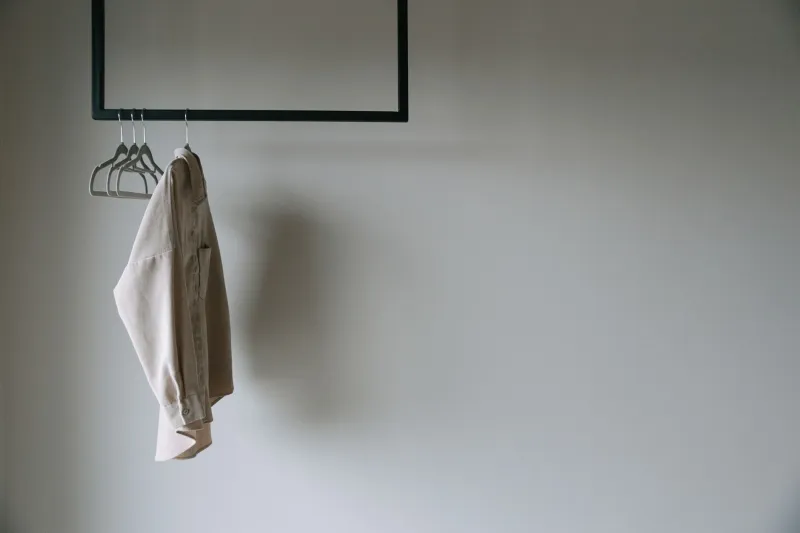
There's a moment happening in American bedrooms and hallway closets right now: you're getting dressed for a day that's technically work and technically home, and you're staring at two parallel wardrobes that almost never meet. On one side, the button-downs and blazers waiting for an in-office Tuesday. On the other, the soft-pants republic that's governed your after-hours life since 2020.
If that sounds familiar, you're not alone — and your closet isn't the only thing feeling the strain. The two-wardrobe split is one of the quiet sustainability stories of the hybrid era, and it deserves a closer look.
The Hidden Cost of Living Two Wardrobes
When your professional life and home life occupy the same building but demand different outfits, your clothing consumption can quietly double. A blazer that gets worn twelve times a year. A rotation of 'Zoom tops' that never see the light of day below the shoulders. A drawer of loungewear that's comfortable but wearing out fast because it's on duty forty hours a week.
Fast fashion was already built on the idea that clothes are disposable. The hybrid schedule supercharged it by creating an entirely new category of purchases — clothes for a life that exists mostly on camera, and clothes for a life that exists mostly on the couch. Neither category was designed to last, and neither tends to get much wear per garment.
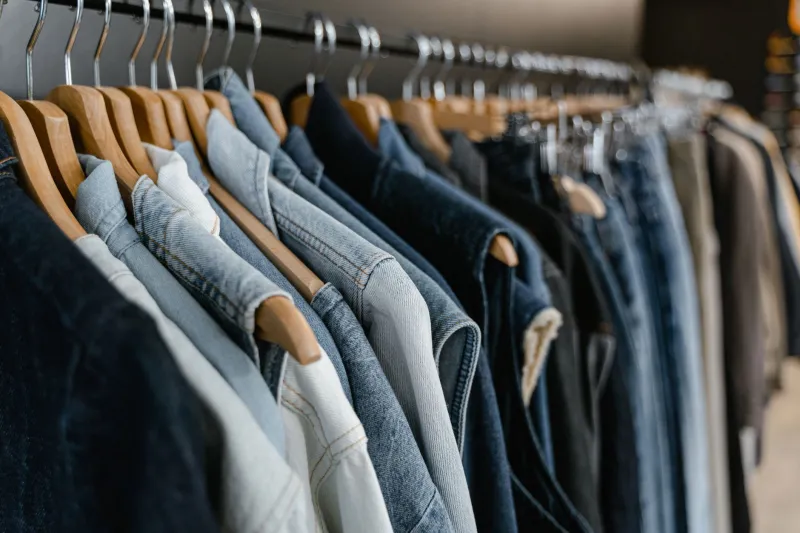
The math gets ugly fast. If you're maintaining 30 work pieces and 30 home pieces, but only truly wearing half of each, you're laundering, storing, and eventually discarding a lot of fabric that's mostly just... hanging around.
What If One Closet Could Do Both Jobs?
Here's the shift worth making: instead of two wardrobes, build one wardrobe with range. The goal isn't a rigid uniform — it's a small set of pieces durable enough for daily wear and versatile enough to move from a 9 a.m. video call to a Saturday farmers market run without a costume change.
This is where natural fibers, especially stem fibers like hemp and flax (linen), earn their keep. They're breathable under desk lamps and overhead lights, they hold structure on camera, and they soften with every wash instead of pilling into retirement. A mid-weight hemp-cotton blend shirt reads as polished in a meeting and relaxed with rolled sleeves on a Saturday. Linen pants that look intentional on a call also survive a dog walk and a grocery run.
Durability is the sustainability move hiding in plain sight. A garment worn 100 times has a radically lower footprint per wear than one worn five times — even if it started with a bigger production bill. Choosing pieces built for repeat duty is the single highest-leverage decision in a hybrid-work closet.
The Two-Life Capsule: A Practical Checklist
You don't need to KonMari your whole life. Start with a working core — roughly 12 to 15 pieces that genuinely serve both lives:
- Two to three woven shirts in hemp, linen, or hemp-cotton blends. Neutral tones that layer well and photograph cleanly on video.
- Two pairs of structured pants — think relaxed linen or hemp twill that reads 'put together' from the waist up and 'comfortable' everywhere else.
- One or two knit layers (a cardigan or light sweater) for camera-ready warmth without cranking the thermostat.
- One elevated knit tee or top in a natural fiber that works under a blazer or over leggings.
- One dress or one-piece option for days you want zero decisions.
- Two pairs of quality loungewear pieces that you'd genuinely answer the door in — because they'll be worn constantly, they're worth buying well.
- One pair of shoes that splits the difference between presentable and comfortable.
Notice what's missing: a separate 'work section' and a separate 'home section.' Everything earns its hanger by working in both worlds.
Buy Less, Wash Better, Wear Longer
A pared-down closet only works if the pieces in it can take the mileage. Three habits make the difference:
Wash less, wash cold. Natural fibers often need less frequent laundering than you'd think — air them out between wears, spot-clean when possible, and run full loads on cold. Your garments (and your utility bill) will thank you.
Repair instead of replace. A loose button or a small seam tear on a piece you wear weekly is a five-minute fix, not a reason to shop. Keep a basic mending kit where you keep your chargers.
Choose fibers with a backstory. Hemp grows fast with minimal water and no synthetic pesticides. Flax thrives in poor soil. When you buy stem-fiber pieces from brands that publish their sourcing, you're not just buying durability — you're voting for agricultural practices that give back more than they take.
The Bigger Picture
Hybrid work handed us a rare opportunity: the chance to opt out of the performative office wardrobe entirely. We can keep the two-wardrobe sprawl — or we can build a smaller, tougher, more honest closet that works as hard as we do.
Fewer pieces. Better fibers. Clothes that move between the lives you actually live. That's not a compromise. That's the upgrade.
Ready to start your two-life capsule? Explore our lookbook of stem-fiber staples built for the days when work and life share the same front door.