The Gown That Already Has a Story: Inside America's Secondhand Wedding Dress Boom
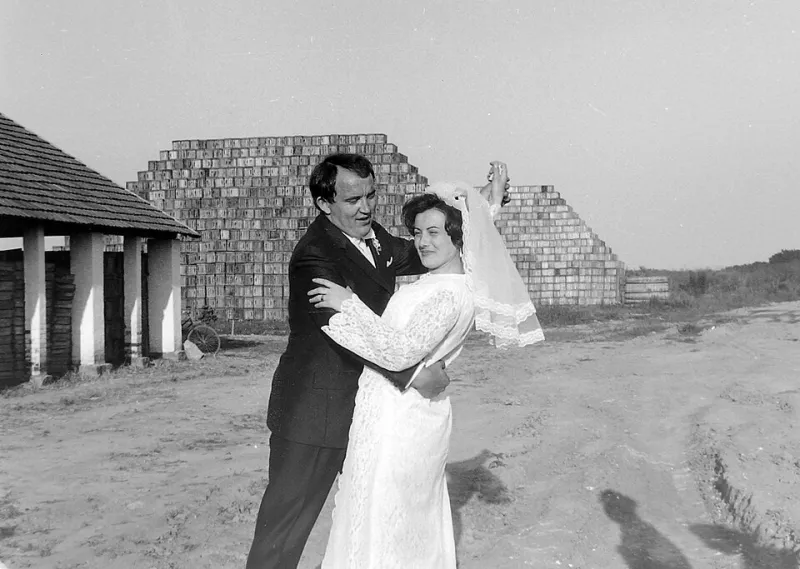
Photo: FOTO:Fortepan — ID 13: Adományozó/Donor: Fortepan., CC BY-SA 3.0, via Wikimedia Commons
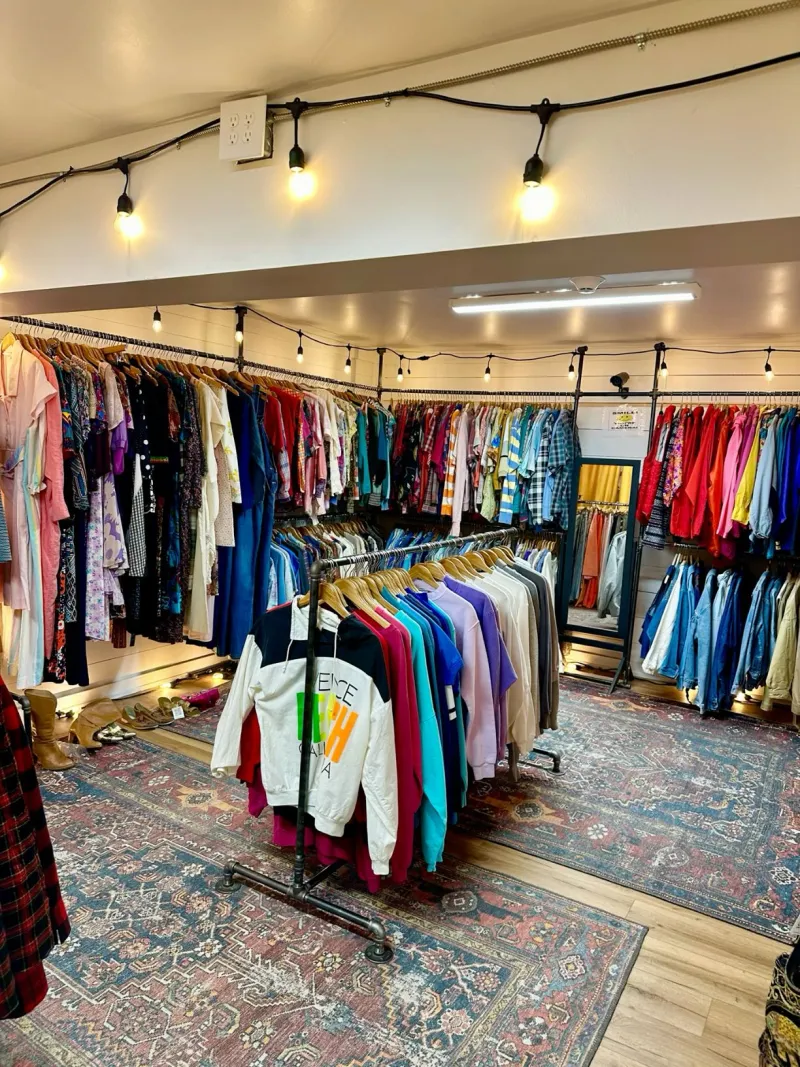
Somewhere in a Brooklyn consignment shop right now, a bride is zipping herself into a gown that walked down an aisle in 1978. It fits. It's perfect. It cost $340 instead of $3,400. And when the reception's over, she won't shove it into a vacuum-sealed bag in her parents' attic to gather dust for the next four decades.
Welcome to the secondhand bridal renaissance — a quiet but rapidly growing shift in how Americans say "I do" to the dress itself.
The Death of the Wear-It-Once Dress
The numbers tell the story. The average American wedding dress runs somewhere north of $2,000, gets worn for roughly eight hours, and then — statistically speaking — never again. It's the single most expensive per-wear item in most women's closets, and one of the most resource-intensive garments produced. Heavily beaded gowns can involve hundreds of hours of handwork, synthetic fabrics, and shipping routes that circle the globe before a single vow is spoken.
For a generation of brides raised on thrift flips, rental apps, and climate anxiety, that math stopped making sense somewhere around 2020.
"Brides used to whisper that the dress was pre-loved," says the owner of a secondhand bridal boutique in Portland, Oregon, who asked to be described as a resale shop rather than a thrift store. "Now they walk in asking for it. They want the story. They want the price. And honestly, they want the sustainability receipts."
What Brides Are Actually Buying
Spend an afternoon in a secondhand bridal shop and you'll find three distinct camps:
The vintage hunter. She's after a 1960s tea-length gown with a scalloped hem, or a bias-cut 1930s slip dress that no modern fast-fashion brand could replicate. For her, pre-loved isn't a compromise — it's the entire point. These dresses carry craftsmanship that's largely vanished from the wedding industrial complex.
The practical romantic. She wants the Pinterest dress without the Pinterest invoice. Sample gowns, once-worn dresses, and showroom floor models let her get couture-adjacent design at a fraction of the markup. Many resell the gown again after the wedding, effectively renting it for the cost of dry cleaning.
The renter. Platforms and local shops now offer bridal rental the way Rent the Runway normalized occasion dressing. Wear it, return it, done. No attic, no guilt, no $400 preservation box.
What unites them: nobody's treating the gown as a sacred, single-use artifact anymore.
The 'Forever Dress' Tradition Meets Its Match
Here's the tension worth naming: the white wedding dress was never really about sustainability. It was about spectacle, tradition, and — let's be honest — a healthy dose of marketing from an industry that convinced Americans a one-day garment deserved a mortgage-sized payment.
The heirloom fantasy — that your daughter will one day wear your gown — almost never materializes. Silhouettes change. Tastes change. Most preserved dresses sit in boxes until the eventual estate cleanout, where they land in exactly the donation bins our previous reporting has followed across the country.
Secondhand bridal short-circuits that cycle. A gown that's already been worn once has proven it can survive a wedding. It has a track record. And when it's bought secondhand and resold again, it becomes something closer to what we at Stem & Stitch believe all clothing should be: a garment in circulation, not in storage.
Real Brides, Real Reasons
Ask brides why they went pre-loved and the answers are refreshingly unromantic — and deeply relatable.
A teacher in Minneapolis who married last fall found a discontinued Watters gown for $500, tags still attached. "I have student loans," she says. "I refuse to feel bad about that."
A couple in Asheville chose a rented gown and a borrowed suit for their backyard wedding. "Our venue was a friend's farm," the bride told us. "Wearing a $4,000 dress next to a chicken coop felt like a costume. Wearing a gown another bride loved felt like a hand-me-down in the best sense."
And a Chicago bride who found her 1950s lace gown at an estate sale says the dress changed how she thinks about her whole closet. "If a 70-year-old dress can look that good, why am I buying anything designed to fall apart in two years?"
That's the ripple effect nobody in the bridal industry anticipated: the wedding dress, of all things, becoming a gateway drug to conscious consumption.
What This Says About Ceremonial Fashion's Future
The secondhand bridal boom isn't happening in a vacuum. It's part of the same recalibration reshaping American wardrobes — the shift from ownership-as-identity to wear-as-experience. If a wedding dress, the single most sentimental garment in our culture, can go circular, what excuse does the rest of the industry have?
The traditional bridal establishment is adapting, slowly. Some salons now carry consignment racks alongside new samples. Designers are releasing styles meant to be re-worn and re-dyed after the big day. And a new wave of small American shops is building businesses entirely on the premise that a gown's second chapter is its best one.
There's a lesson in the hem of all this. The most sustainable dress isn't the one marketed with a leaf logo — it's the one that already exists. The most meaningful heirloom isn't a boxed gown in an attic; it's a dress that keeps showing up, aisle after aisle, wedding after wedding.
Something borrowed, something green. Turns out the old rhyme was ahead of its time.