Loop Closed or Loop Holed? What Your Clothing Rental Subscription Isn't Telling You
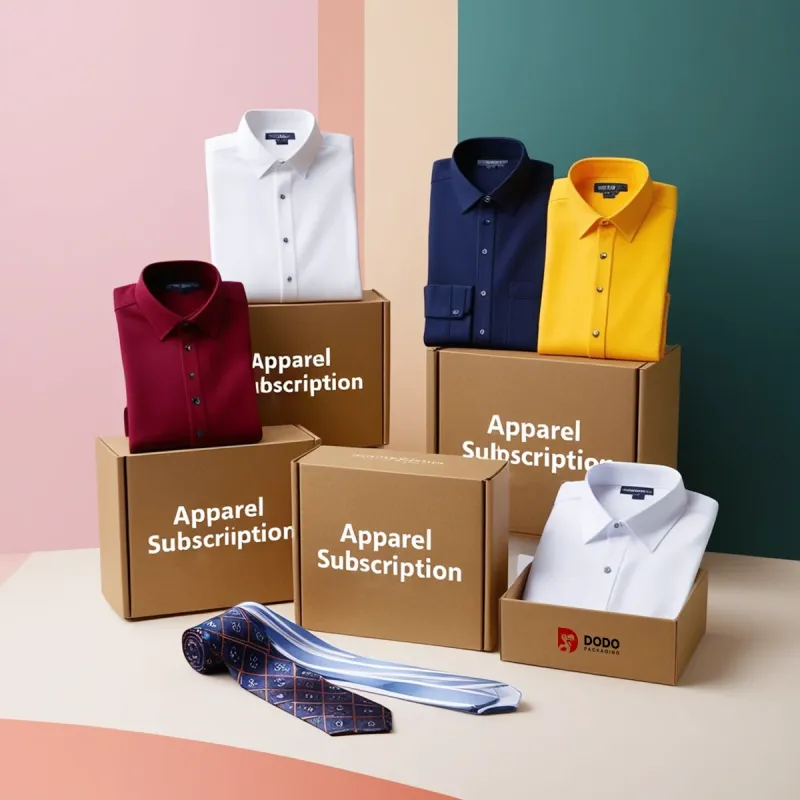
Photo: clothing rental subscription box packages delivery, via dodopackaging.com.au
The pitch is seductive, especially if you've ever stared at a closet full of clothes and thought, I have nothing to wear. Pay a flat monthly fee, get a rotating rack of outfits delivered to your door, wear them, send them back, repeat. No shopping trips. No buyer's remorse. And — according to the marketing emails, anyway — no guilt, because you're supposedly participating in a circular economy instead of feeding the fast fashion machine.
We wanted to believe it. So we dug into what actually happens between the moment a rental dress leaves a warehouse and the moment it comes back. And what we found is less 'closed loop' and more 'open question.'
The Dry Cleaning Problem Nobody Puts on the Landing Page
Here's the thing about clothes that cycle through dozens of bodies: they need to be cleaned between every single rental. Aggressively. Most major rental platforms rely on industrial dry cleaning, and traditional dry cleaning in the US still leans heavily on solvents like perchloroethylene — a chemical the EPA has been steadily tightening restrictions on because of its links to health and environmental harm.
Some companies have moved to wet cleaning or CO2-based systems, which is genuinely better. But when you're sanitizing a garment after every wear, the per-use footprint of that garment climbs in a way that never shows up in the 'renting reduces waste' pitch. A dress you buy and wash cold, line dry, and wear forty times? Often the lower-impact choice by the time you hang it up for good.
Shipping Loops Are a Real Thing
Every rental is at minimum a round trip — usually more, once you factor in returns that get rerouted through cleaning facilities before restocking. That's a lot of last-mile delivery trucks idling through American neighborhoods, a lot of cardboard mailers, a lot of those plastic polybags that are technically recyclable and functionally never recycled.
Rental companies will tell you (correctly!) that shipping is a smaller slice of a garment's footprint than manufacturing. But the whole promise of rental is more logistics per garment, not less. When one dress serves fifty wearers instead of one, you've spread the manufacturing impact across more people — and multiplied the packaging, transport, and cleaning impacts along the way. Whether you come out ahead depends entirely on the garment and your habits.
The Counterintuitive Case for Buying Less, Buying Better
This is where we get a little biased, and we'll own it: at Stem & Stitch, we think the most sustainable garment is usually one you already own — or one worth owning.
A well-made piece of stem-fiber clothing — hemp, flax linen, organic cotton — flips the rental math. These fibers get softer and better-looking with every wash, need less frequent laundering than synthetics (hemp is naturally antimicrobial and odor-resistant), and skip the dry cleaner entirely in most cases. One quality linen shirt that lives in your closet for a decade has a shipping footprint of exactly one delivery and a cleaning routine that involves your own washing machine on cold.
The fashion industry's dirty secret is that the most circular garment is often the one that never enters a logistics loop at all.
So When Does Renting Actually Make Sense?
We're not here to torch the whole model. There are genuinely smart uses for it, and we'd rather give you a decision framework than a hot take.
Rent when the wear count is low and the occasion is big. A wedding guest dress, a black-tie gala, a fitting for a specific event — these are garments you'd otherwise buy, wear once, and shelve. Rental shines here. One or two wears, high emotional value, zero closet guilt afterward.
Rent for fit experiments. Not sure if wide-leg trousers are your thing? Renting before committing is a legitimately sustainable move — it prevents the purchase that sits in your closet with the tags still on.
Buy when it's a repeat player. Workwear, everyday layers, the pieces you reach for weekly. These are the garments where per-wear impact matters most, and ownership of durable, natural-fiber pieces wins hands down. A hemp-blend blazer you wear twice a month for five years beats any rental rotation on both cost and carbon.
Skip rental for basics. T-shirts, denim, everyday knits. The cleaning and shipping overhead per wear makes no environmental sense when a quality organic cotton tee costs about the same as one month of a subscription.
Ask These Three Questions Before You Subscribe
- How is it cleaned between rentals? If the company can't answer clearly, that's your answer.
- How many wears will I actually get per item? Under three, rental usually wins. Over ten, buying well usually wins.
- Is the packaging reusable? Some platforms now use recycled mailers and take-back programs. Some don't. It's fair to ask.
The Bottom Line
Rental isn't a scam — it's a tool, and like any tool, it works for some jobs and not others. The problem is the framing: renting everything, forever, isn't a circular economy. It's a subscription to a delivery truck.
The genuinely circular move is the one our grandmothers understood and the fast fashion industry made us forget: own fewer things, made from fibers that came from the ground and can return to it, and wear them until they're soft enough to feel like a story. Rent the sequin gown. Buy the linen.
Your closet — and the groundwater — will thank you.