Dirt, Denim, and a Second Chance: Inside the Farms Rebuilding American Fiber
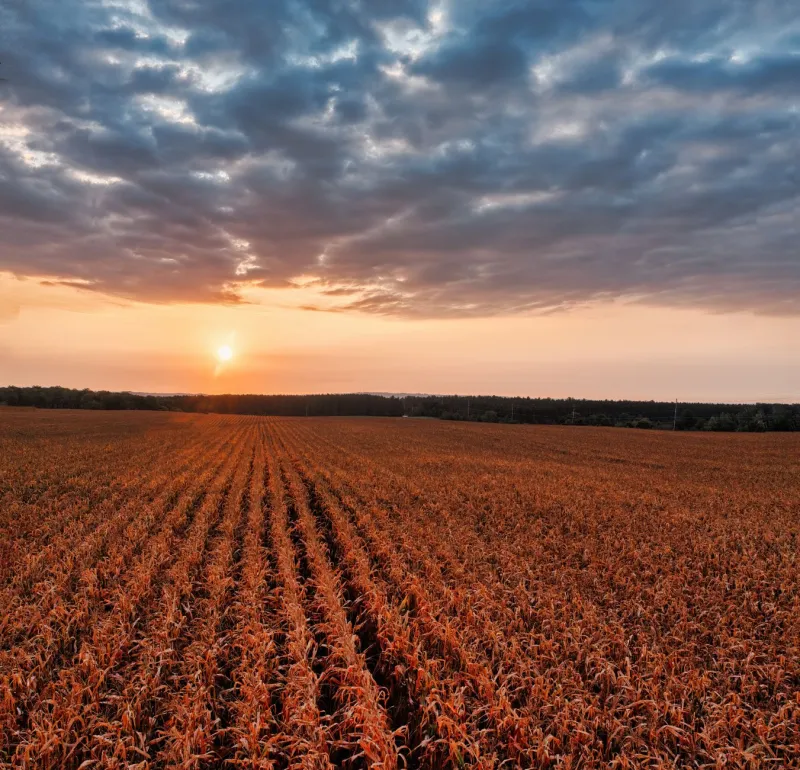
The first thing you notice on the Ruiz family's plot outside Ames, Iowa isn't the crop. It's the quiet. No combine roaring through a thousand acres of corn. Just waist-high hemp swaying in a breeze that smells like rain and cut grass.
"People drive by and slow down," Marisol Ruiz told us, laughing. "They can't figure out what they're looking at. When I tell them it might end up as their next pair of jeans, they don't believe me."
She's not exaggerating. What's happening on farms like hers is the most quiet-but-radical shift in American agriculture in decades: the return of fiber crops to soil that hasn't grown them since before World War II.
Why Food Farmers Are Rethinking Fabric
Here's the math that keeps small farmers up at night. Corn prices bounce around. Soybean margins shrink. A fifth-generation farm can be one bad harvest away from selling out to a developer. Fiber crops offer something different: a value-added product that doesn't have to travel through the same commodity pipeline.
"With corn, I'm a price taker," said Dale Kowalski, who transitioned forty acres in eastern Nebraska to hemp two seasons ago. "With fiber, I'm part of a story. Brands want to know my name. Try getting Cargill to care whose corn it is."
That relationship matters economically, too. Contract fiber prices can run several times what the same acreage yields in commodity grain, especially as demand for domestic, traceable materials grows among US clothing brands tired of opaque overseas supply chains.
The Equipment Problem Nobody Saw Coming
The revival hasn't been smooth. American farms spent eighty years perfecting machines for food, not fabric. Hemp and flax processing — separating the useful bast fibers from the woody stalk core — requires equipment that mostly vanished when fiber farming collapsed mid-century.
Early adopters improvised. Some imported refurbished decorticators from Europe. Others partnered with small mills in Colorado, Kentucky, and Oregon that are essentially rebuilding a lost industrial skill from scratch.
"Our first year, we basically retted the stalks in the field and hauled them to a guy with a modified hay baler," Kowalski admitted. "It was the 1800s with a diesel engine. We've come a long way since."
Universities are catching up. Land-grant schools in several states now run fiber crop extension programs, and USDA research dollars — long absent — have started trickling toward bast fiber processing after hemp's removal from the controlled substances list opened the door.
The Community Nobody Expected
What surprised us most in reporting this story wasn't the agronomy or the economics. It was the social fabric — pun very much intended.
Fiber farming has created odd, wonderful alliances. Organic vegetable growers share drying barns with hemp co-ops. Quilting guilds show up at harvest festivals. In Kentucky, we heard about a church that hosted a flax-processing workshop that drew more attendees than the potluck.
"Textile people and farm people used to be strangers," said Ruiz. "Now we're texting about soil pH and fabric weights in the same conversation. My mom knits with yarn spun from our own field. That still gives me chills."
What Conscious Shoppers Actually Change
If you buy a shirt made from domestically grown stem fiber, here's what you're really supporting:
- Lower transport emissions. Domestic fiber skips the trans-Pacific shipping leg of most garment supply chains.
- Crop diversity. Hemp and flax rotate beautifully with food crops, breaking pest cycles and reducing pesticide dependence.
- Rural livelihoods. Your dollars flow to processing facilities and family farms, not just brands and brokers.
- Traceability. A shorter supply chain means fewer places for greenwashing to hide.
The Long Game
Nobody on these farms pretends the revival is complete. Processing capacity remains the bottleneck. Financing for perennial fiber infrastructure is scarce. And consumer awareness — the willingness to pay a fair price for a traceable garment — is still the biggest variable of all.
But standing in that Iowa field as the light went gold, Ruiz made the case simply: "For a hundred years, this land grew stuff people wore out and threw away. Now it can grow clothes built to last. That feels like getting to do the job right."
The next time you pull on something soft and sturdy and wonder where it came from, there's a decent chance the answer is a family farm in the middle of the country, run by someone who never imagined they'd be in the clothing business — and is quietly grateful they are.
Wear the change.