Designed to Disappear: What Really Happens When Your Clothes Compost
Every garment has a last chapter. Most of the fashion industry pretends it doesn't. But a growing circle of fiber farmers and designers are asking the question the rest of the supply chain avoids: when this shirt is done, where does it actually go?
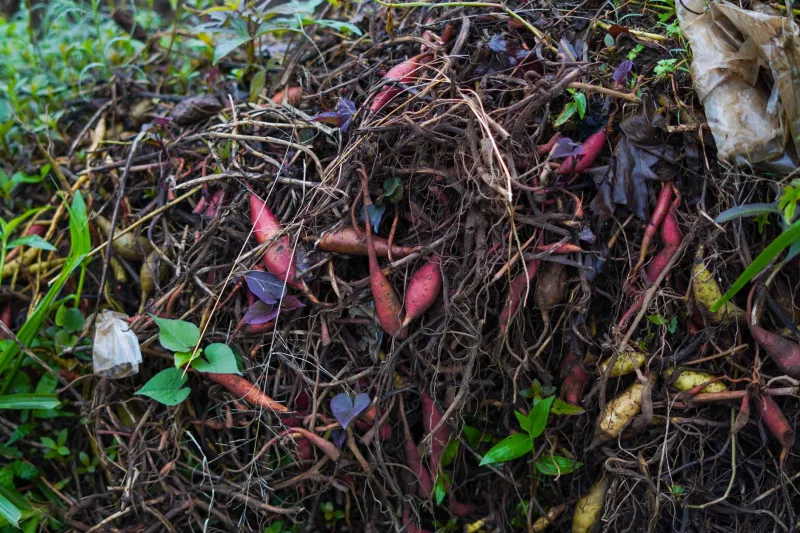
For a small but determined corner of the apparel world, the answer is dirt. Real dirt. Clothing designed to biodegrade fully and feed the soil it came from.
The Farmer's Math: Fiber Back to Field
Talk to growers of hemp and flax and the end-of-life question stops sounding abstract. "Every bale of fiber we sell becomes a garment someday, and every garment becomes waste someday," one third-generation flax farmer told us. "The only question is whether that waste is a problem or a nutrient."
Bast fibers — the long strands pulled from plant stems — have a structural advantage here. Untreated hemp and linen are essentially cellulose, the same compound a fallen leaf is made of. In a healthy compost environment, microorganisms break cellulose down into humus within months. No petroleum, no persistent residue, no synthetic sludge. The fiber that grew in the field can, in the right conditions, return to it.
That's the dream. The reality, as always, lives in the details.
When 'Compostable' Falls Apart
Here's the uncomfortable truth: most clothing labeled "natural" won't compost cleanly. A cotton T-shirt is only as compostable as its least biodegradable component — and that includes polyester thread, elastane blends, plastic buttons, and conventional dyes.
The usual suspects:
- Blended fabrics. A 60/40 cotton-poly tee is the worst of both worlds: the synthetic portion persists in the soil as microplastic fragments while the cotton rots around it.
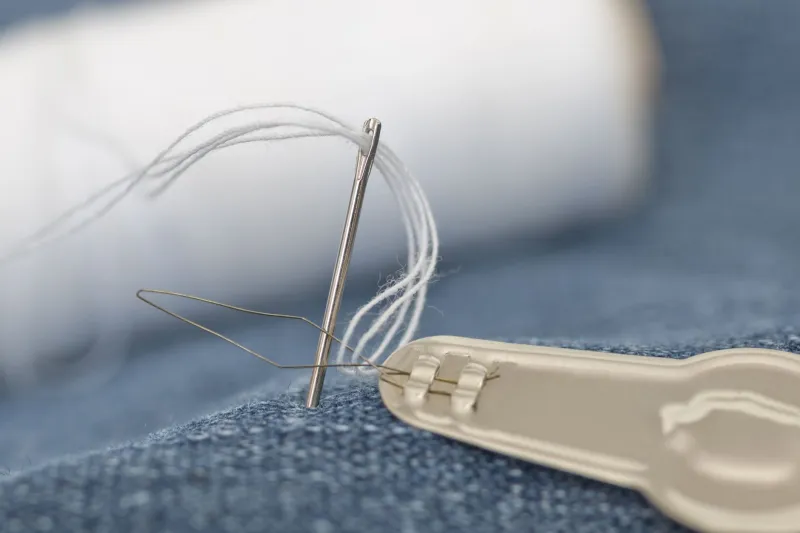
- Synthetic thread and trims. Even an all-cotton shirt is often sewn with polyester thread. Compostable garments need plant-based or cellulosic thread, natural fiber labels, and biodegradable buttons like corozo or wood.
- Conventional dye and finish chemistry. Heavy-metal dyes and water-repellent coatings can leach into soil. Low-impact, OEKO-TEX-certified dyes are the baseline for a garment that claims a clean exit.
- Facility requirements. Some "compostable" materials only break down in industrial composting at sustained high heat — not your backyard bin, and not a landfill, where oxygen-poor conditions can mummify even cotton for decades.
If a brand says "biodegradable" without specifying timeline, conditions, and what happens to the thread and dyes, treat it the way you'd treat "natural" on a snack bag: as marketing, not a promise.
Designing for the Exit
The circular-design advocates we spoke with describe compostability as a design discipline, not a fabric choice. A truly full-circle garment is engineered backward from the soil:
Mono-material construction. One plant fiber, throughout — fabric, thread, labels, everything. Blends are convenience for the manufacturer and a liability for the planet.
Dyes that came from plants too. Madder, indigo, onion-skin, walnut hulls. If the color came from a garden, it can return to one.
No hardware that outlives the host. Metal zippers and plastic snaps are the great saboteurs of garment composting. Designers serious about end-of-life design around them entirely.
Documented decomposition. The most credible brands test their garments in certified compost conditions and publish the results — including how long it took and what remained.
Planning Your Closet's Exit Strategy
So what's a conscious consumer to do? Start by thinking of your wardrobe the way a gardener thinks about a bed: everything in it should eventually feed something.
-
Audit your fibers. Check the labels on your favorite pieces. 100% hemp, linen, or organic cotton? Good bones. Anything with elastane? Enjoy it fully, but know its ending won't be graceful.
-
Buy mono-material when you can. A single-fiber garment is compostable, more repairable, and easier to recycle than a blend. It's the rare sustainability choice with no trade-off.
-
Ask brands the thread question. "What's your thread made of?" is the fastest way to find out whether a company has genuinely thought about end-of-life. Most haven't. The ones who have are worth your money.
-
Compost with intention. A truly compostable garment should have buttons and labels removed, be cut into smaller pieces, and go into a hot, well-managed compost system. Your city's industrial compost program may accept textiles — check before you toss.
-
Extend the middle chapter first. Composting is the last resort, not a guilt-free exit ramp. Repair, resell, and swap first. The most sustainable garment is the one that stays in circulation as long as possible.
The Full Circle
There's something quietly radical about a shirt whose final destination is a tomato bed. It reframes what we're owed as consumers — not just clothes that look good on us, but clothes that do no harm after us. The fiber farmers growing hemp and flax aren't just making fabric. They're making the case that fashion can participate in the same cycle as everything else that was ever alive.
Your soil counts too. The best closets are already listening.