Hemp, Flax, and the Fiber Revolution: 5 Plants Rewriting Your Wardrobe
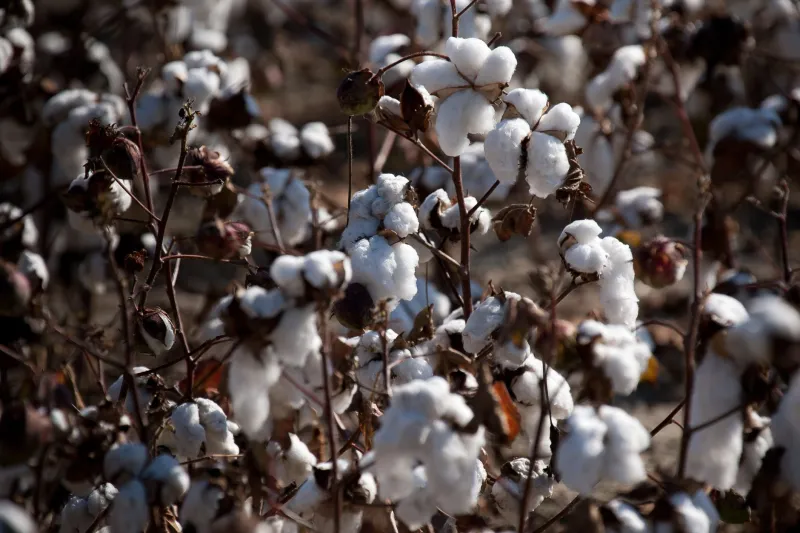
If you've been building a more conscious closet, you've probably memorized the organic cotton spiel by now. Water savings! No pesticides! It's the gateway fiber of sustainable fashion, and honestly, it's a fine place to start.
But cotton is just the beginning. Some of the most exciting materials in ethical fashion right now come from plant stems — the structural fibers that hold a plant upright, spun into fabric that's often stronger, more breathable, and lower-impact than anything cotton can offer. These are the fibers fashion insiders are quietly stocking up on, and after you read this, you might too.
1. Hemp: The Overachiever
Let's start with the obvious star. Hemp grows fast, needs little water, and famously requires no pesticides — it literally crowds out weeds on its own. It even improves the soil it grows in, making it a rotation crop farmers actually love.
On the body? Hemp softens with every wash (unlike cotton, which wears down), wicks moisture, and offers natural UV protection. Historically it had a crunchy reputation, but modern processing has transformed it into something genuinely soft and drapey. Look for hemp-blend tees, denim, and summer weight shirts from brands like Patagonia and a growing roster of independent labels.
2. Linen (Flax): The Old-School Luxury
Linen comes from the flax plant, and it might be the most underrated sustainable fiber on the rack. Flax thrives in poor soil with rainwater alone, and it's been cultivated for thousands of years — this is fabric with serious staying power, both culturally and literally. That linen shirt in your closet? It could outlive you.
Yes, it wrinkles. But that rumpled texture is the whole point — it signals ease, breathability, and a life lived outside. European flax (look for the certification) is the gold standard, and brands from ever-popular linen specialists to small-batch makers are doing gorgeous things with it.
3. Jute: The Workhorse Goes Upscale
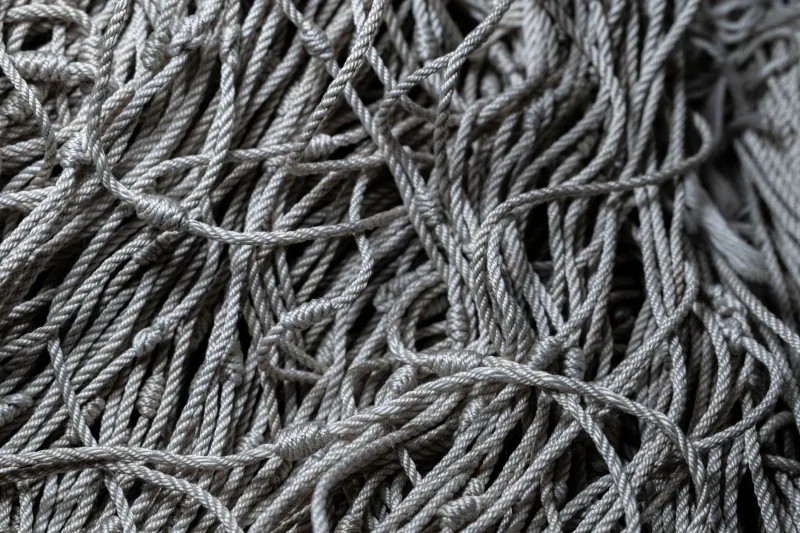
You know jute as burlap — those rough sacks and tote bags at the farmers market. But jute is having a moment beyond the produce aisle. It's one of the cheapest natural fibers to produce, grows quickly with minimal inputs, and is fully biodegradable.
Historically used for rope and rugs, jute is increasingly blended into fashion pieces for texture and structure. Expect to see it in woven accessories, sandals, and structured bags that bring a little earthy warmth to an outfit.
4. Banana Fiber: The Waste-Stream Wonder
Here's one flying under most American radars: fabric made from banana plant stems, which are typically discarded after harvest. Turning agricultural waste into textile is about as elegant as sustainability gets.
Banana fiber can range from silky and fine to sturdy and canvas-like, depending on processing. It's still mostly produced at small scale in India, Japan, and the Philippines, so availability in the US is limited — but keep an eye on this one. Early adopters and artisan brands are already shipping pieces stateside.
5. Lotus Fiber: The Rare Gem
The unicorn of the bunch. Lotus fiber is drawn from the stems of lotus plants, hand-spun primarily by artisan communities in Myanmar. It's breathable, naturally elastic, and has a texture often compared to a blend of silk and linen.
Because it's entirely handmade, lotus fabric is rare and expensive — a true heirloom material rather than an everyday staple. But its existence points to something bigger: a future where fashion looks to plants, and to traditional craft, instead of petroleum.
Building Your Stem-Fiber Wardrobe
You don't need to overhaul everything at once. Start with one piece — a hemp tee, a linen button-down — and notice how it wears, washes, and ages. Check labels, ask brands about their sourcing, and favor certifications like OEKO-TEX and European Flax where they exist.
The plants have been doing the hard work for millennia. It's about time our wardrobes caught up.