Diploma in One Hand, Shopping List in the Other: Beating the Fast Fashion Trap Before Your First Day of Work

Photo: Jörg Breu the Elder, Public domain, via Wikimedia Commons
There's a moment — usually somewhere between the last final exam and the first day of orientation — when the pressure hits. You look at your college hoodie collection and realize none of it belongs in an office. And the mall is right there, glowing, promising five blazers for the price of one good one.
That moment is the trap. It's where fast fashion hooks millions of Americans for life, because the habit formed at 22 — cheap, now, replaceable — tends to stick for decades. But you can skip it entirely. Here's the case, and the actual wardrobe to back it up.
Why New Grads Are Fast Fashion's Favorite Target
The industry knows exactly when to strike. Entry-level salaries are tight, confidence is tighter, and social media has convinced an entire generation that repeating an outfit at work is a crime. Fast fashion brands flood feeds with 'office outfit hauls' priced like snacks.
The math falls apart fast, though. A $25 blazer that pills, shrinks, and loses its shape in four months costs you $75 a year in replacements — plus the mental tax of a closet full of nothing that fits right. A $110 linen-blend blazer that lasts five years costs $22 a year and looks better every time you steam it.
Quality isn't a luxury for later. It's the cheaper option if you buy it once.
The Interview Rule: Rent or Resale, Never Retail
Before we even get to the capsule, one hard opinion: do not buy a new suit for interviews. You might get the job, might not, and that suit will hang there either way — a monument to a version of yourself you're still becoming.
Instead:
- Rent. Services like Rent the Runway and local tuxedo shops (yes, they rent to everyone) will outfit you for under $50.
- Buy secondhand. ThredUp, Poshmark, or a good consignment shop in any mid-size American city will have wool and linen suits at a fraction of retail. Half the time they've never been worn — someone else had the same interview panic.
- Borrow. Seriously. Ask a friend, an uncle, anyone. Nobody at an entry-level interview is grading your tailoring.
Once you've landed the job, then invest — deliberately, slowly, and in natural fibers.
The 15-Piece Starter Capsule
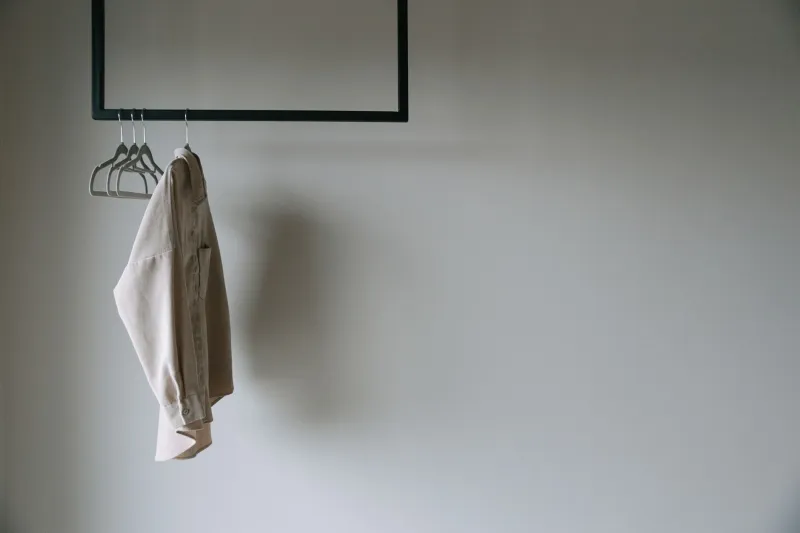
Built around durable stem fibers (linen, hemp) and other natural workhorses like organic cotton and wool. Everything mixes with everything.
Tops (5)
- White organic cotton button-down — the single most versatile thing you'll own
- Light blue oxford, same deal
- Two breathable hemp or linen-blend tees for layering and casual Fridays
- Fine-gauge merino or cotton sweater for conference rooms and cold offices
Bottoms (4) 5. Dark, tailored trousers in a cotton-linen blend 6. One pair of dressier chinos 7. Dark-wash jeans (for casual workplaces — check the dress code first) 8. A skirt or second trouser, depending on what you actually wear
Layers (3) 9. Unstructured blazer in linen or a wool blend — skip stiff suits entirely 10. A cardigan or second knit 11. One weather-appropriate coat, bought secondhand if possible
Finishing (3) 12. Leather (or quality vegan) shoes that can be resoled 13. A simple belt that matches the shoes 14. One bag that carries a laptop without falling apart 15. A scarf or tie in a natural fiber, for the days you need to look intentional
The Budget, Honestly
New, from sustainable brands: expect $600–$900 total. That's real money on a starter salary — which is why the strategy is staggered, not immediate.
- Month 1: Secondhand blazer, trousers, two shirts — $120–$180
- Months 2–4: Add one quality new piece per paycheck, prioritizing shoes and the blazer
- Months 5–12: Fill gaps with birthday money, holiday lists, and patience
Ask for capsule pieces as gifts. A hemp-blend blazer makes a far better graduation present than another throw blanket.
Why Stem Fibers Earn Their Spot
Linen and hemp aren't just marketing. They're among the most durable natural fibers on earth — hemp gets softer with every wash and resists wear for years. Both need a fraction of the water and pesticides of conventional cotton, and both handle the 9-to-5 grind (literally, in the case of hemp) better than most synthetics. In a humid August in Atlanta or a stuffy subway commute in New York, they breathe when polyester suffocates.
The Real Win Isn't the Wardrobe
It's the habit. The grad who learns to buy once, buy well, and wear things out never becomes the customer fast fashion needs. Your first job wardrobe is small — but the values you build buying it will outlast every blazer in it.
Wear the change. Start on day one.