Where Does the Donation Bin Really Go? Following America's Castoff Clothes
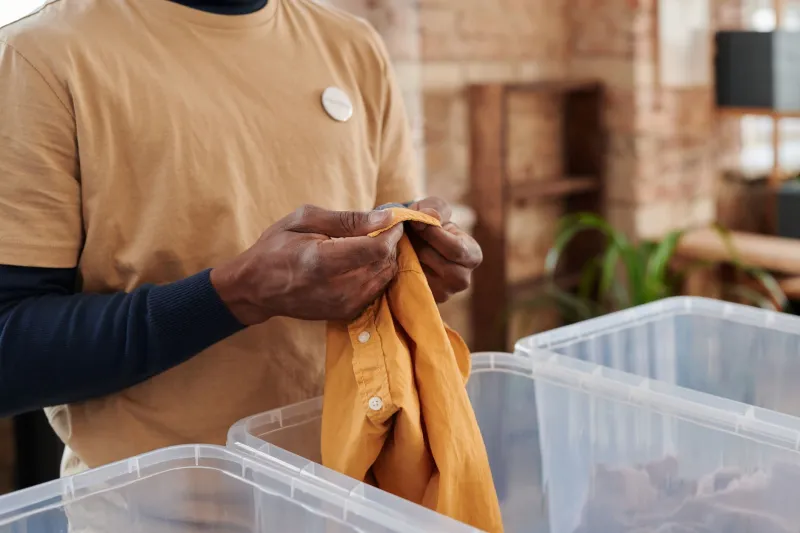
There's a particular kind of relief that comes with clearing out your closet. You fill the trash bag with the jeans that never quite fit, the sweater from a gift exchange three winters ago, the fast-fashion haul you regretted by week two. You drop it at the donation bin outside your local grocery store and head home feeling lighter — morally and physically.
But here's the question most of us never ask: where does that bag actually go?
The answer is messier than the feel-good narrative on the bin's decal.
The 10 Percent Problem
Industry estimates suggest only a fraction — often cited as 10 to 20 percent — of donated clothing ends up sold in a domestic thrift store. The rest enters a sprawling secondary market that most shoppers never see.
"People picture their sweater on a rack down the street," says a donation center operator in the Midwest who asked to remain unnamed because of the politics around the topic. "The reality is we're sorting through mountains of stuff, and only a slice of it is retail-ready. A lot of it is worn out, stained, or just... a lot."
What doesn't sell on the floor typically gets sold in bulk to textile recyclers and exporters. From there, it's baled, containerized, and shipped overseas — often to markets in Ghana, Chile, Kenya, and Central America.
When Goodwill Becomes Someone Else's Problem
In Accra, Ghana, one of the world's largest importers of secondhand clothing, vendors buy these bales sight-unseen in a lottery of quality. When a bale turns out to be mostly unwearable junk — what traders call "obroni wawu," or "dead white man's clothes" — the unsellable remainder gets dumped. Photos of clothing washing up on Ghana's beaches have made international headlines, and for good reason: an estimated 40 percent of imported secondhand garments there end up as waste.
The Atacama Desert in Chile tells a similar story. Discarded clothing has accumulated in vast, visible dunes — a monument to American and European overconsumption, viewable from space in some estimates.
None of this means donating is bad. It means donating has become a loophole we lean on.
"The bin has become a guilt-free exit ramp," one resale expert told us. "We buy more because we know we can always donate it. But donation isn't disposal. It just moves the disposal somewhere we can't see it."
Donate Smarter, Not Just More
None of this is an argument to stop donating. It's an argument to donate like it matters — because somewhere down the line, it does.
Follow the sorting rules. Clothing that's torn, stained, or missing buttons often can't be resold and heads straight to the recycler or the landfill. If it's not nice enough to hand to a friend, it may not be donation material. Repair what you can first.
Give to organizations that sort locally and transparently. Some community-based charities and shelters distribute directly to people in need, keeping garments in local circulation. A quick call or website check can tell you how a group handles overflow.
Match donations to actual needs. Winter coat drives, professional attire programs, and school clothing swaps all have specific demand. Random bins accept everything; targeted programs need specific things.
The Real Fix Happens Before the Bin
Here's the uncomfortable part: the donation system was never designed to absorb the volume of clothing Americans now produce and discard. We buy roughly five times more clothing than we did in 1980, and we keep each garment for half as long. No amount of thrift store efficiency fixes a supply problem.
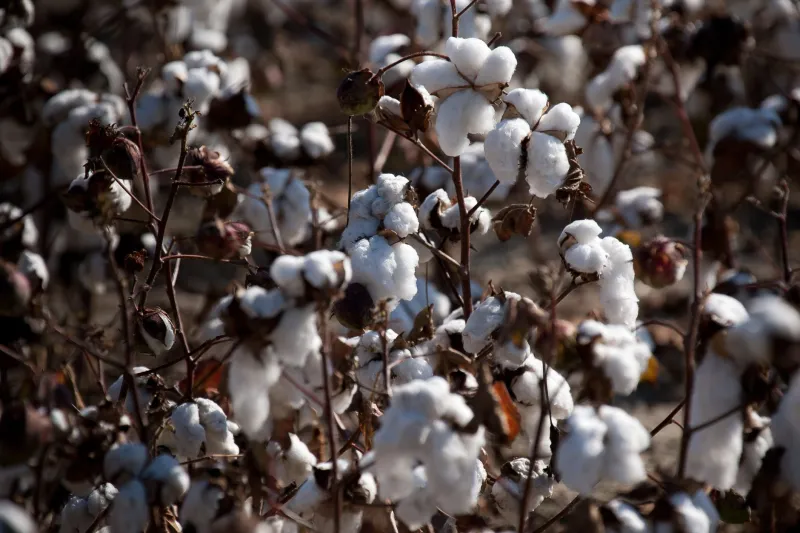
The more powerful move is upstream. Buy fewer, better things. Choose natural fibers — hemp, linen, organic cotton — that wear longer and biodegrade at end of life instead of shedding microplastics for centuries. Support brands that design for durability, not churn.
And when you do clear out your closet? Treat the bin as a last resort, not a first instinct. Sell, swap, repair, gift, and when you donate, donate thoughtfully.
Your clothes have a longer afterlife than you think. It's time we started paying attention to where it leads.