The Cat-Proof Closet Is a Plant Closet: A Case for Hemp and Linen in a Fur-Filled Home
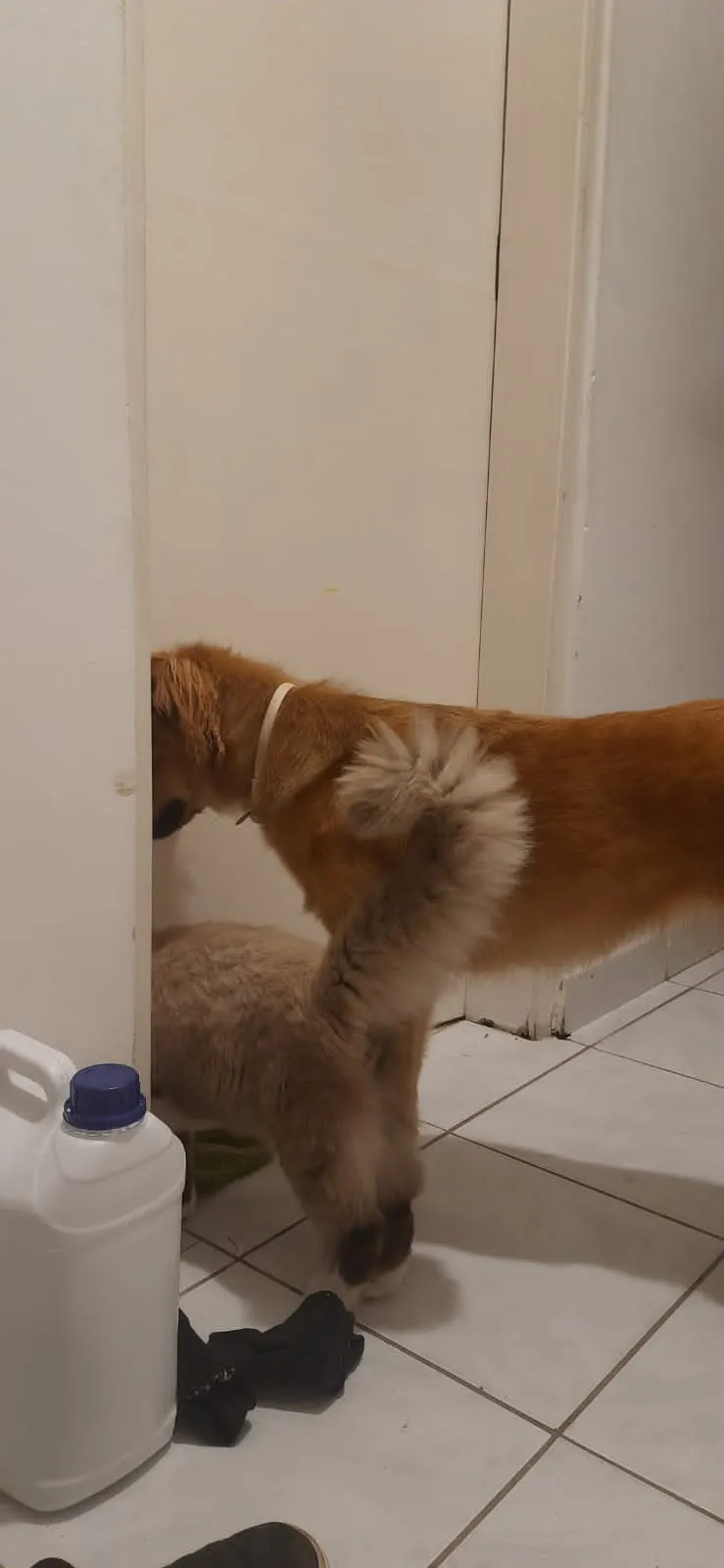
Photo: Leuoz, CC BY-SA 4.0, via Wikimedia Commons
Let's be honest about the lint roller economy. If you share your home with a cat or dog, you've probably spent real money on sticky sheets, rubber brushes, and furniture covers — all in service of fabrics that seem engineered to attract fur. Velvet? A hair magnet. Fleece? Static-charged fur Velcro. That cozy chunky knit? One cuddle session and it's a sweater-shaped pet.
Here's my contrarian take: the problem isn't your pet. It's your fabric choices. And the solution has been growing in fields for thousands of years.
Why Plant Fibers Win the Fur War
Stem fibers — hemp, linen, ramie — come from the stalks of plants, which gives them a fundamentally different structure than animal fibers or synthetics. The fibers are long, smooth, and naturally low-static. Fur doesn't cling to them the way it clings to fleece or wool; it sits on the surface and brushes right off.
Linen's tight weave and slightly crisp hand mean hair has nowhere to embed. Hemp is even better: it's naturally antimicrobial, wicks moisture, and softens with every wash without shedding microfibers. A hemp tee after a dog-park afternoon needs one pass with a damp hand, not an exorcism.
Compare that to the pet-parent starter kit of performance poly-blends, which manage fur by attracting it permanently and shedding microplastics into every wash cycle.
The Claws Have a Vote Too
Durability is where stem fibers really earn their keep. Hemp fiber is among the strongest natural fibers on the planet — it was used for ship sails and rope for a reason. Linen, famously, gets stronger when wet and has dressed humans since ancient Egypt.
What does that mean in practice? A cat kneading a linen-blend throw does far less damage than one working over a loose-knit cotton or a snag-prone polyester. Knits pill and pull; weaves resist. The tight, flat weave of quality linen and hemp simply doesn't give claws much to grab. It won't make your sofa scratch-proof — nothing is — but it shifts the odds dramatically in your favor.
A Pet Parent's Buying Guide
When you're shopping, keep these rules of thumb:
- Weave over knit. Tight-woven hemp and linen shirts, pants, and jackets shed fur and resist snags. Save the loose knits for pet-free days (if those exist).
- Mid-tones and patterns are your friends. Fur shows least on heathered, textured plant fabrics in colors close to your pet's coat. Lean in.
- Washability is non-negotiable. Both hemp and linen machine-wash happily and air-dry fast — no special care, no dry-cleaning bills after a muddy paw incident.
- Check the blend. 100% hemp or linen is the gold standard, but a cotton blend softens hand-feel while keeping most of the durability. Avoid elastane-heavy mixes if you can; they trap hair and shorten garment life.
- Buy heavier weights. A 7-oz hemp canvas jacket will shrug off a lifetime of lap-sitting. Sheer linen is lovely, but save it for occasions when you're not a chew toy.
Sustainable Means Survivable
There's a deeper point here. Conscious fashion often gets framed as delicate — hand-wash only, treat with care, wear sparingly. But life with pets is gloriously un-delicate. Clothing that can't survive the household isn't sustainable, no matter how organic its label; it's headed for an early retirement and a replacement purchase.
Hemp and linen break that cycle. They're grown with a fraction of the water and pesticides of conventional cotton, they biodegrade at the end of a very long life, and they look better after years of wear — fur and all. Wear the change. Your couch, your lint roller budget, and your very hairy best friend will all thank you.