Drain the Story: What Your Jeans Never Told You About Water
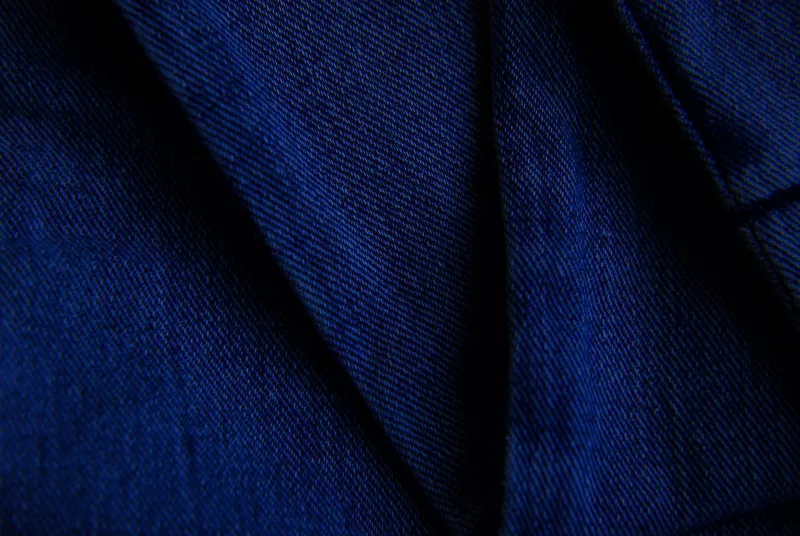
Let's be honest about something the denim industry would rather not discuss over brunch: your jeans are thirsty. Absurdly, almost comically thirsty. A single pair of conventional jeans can consume around 1,800 gallons of water across its lifetime—most of it before you ever unrolled them at the register.
We say this as people who love denim. Denim is America's uniform. It's what we wear to tailgates, road trips, first dates, and Saturday errands. Which is exactly why we can't look away from the numbers.
Follow the Water
So where does 1,800 gallons actually go? It helps to break it down.
Growing the cotton. The biggest share, by far. Conventional cotton is one of the thirstiest crops on the planet, and much of America's denim cotton comes from irrigated fields in Texas and the Southwest—regions where aquifers are dropping and drought is no longer an anomaly but a baseline. A single pair of jeans can require 500+ gallons just to grow the fiber.
Dyeing and finishing. Turning raw fabric into that beloved indigo wash takes multiple dye baths, each one water-intensive. Then comes the finishing: stone-washing, enzyme treatments, and acid washes that give jeans their lived-in look all require additional rinse cycles.
Your laundry room. Here's the part you actually control: every wash cycle releases microplastics (if there's elastane in the blend) and consumes energy and water for the life of the garment. The good news? This is also where the easiest wins live.
The Fixers: Who's Rewriting the Denim Playbook
Here's the hopeful part—a genuine movement is underway, and it's not just niche anymore.
Laser finishing. Companies have developed laser technology that recreates distressed, faded, and worn effects without a single stone, chemical bath, or extra rinse. What used to take 45 minutes of wet processing now takes about 90 seconds of light. Major manufacturers are adopting it, and the results are genuinely indistinguishable.
Ozone washing. Ozone treatment can achieve that broken-in fade using gas instead of water—reducing water use in the finishing stage by well over half at facilities that have adopted it.
Plant-fiber blends. Hemp-denim hybrids are having a moment, and deservedly so. Hemp requires a fraction of the water cotton does, grows fast, and actually softens with wear. Denim blended with hemp, Tencel lyocell, or recycled cotton is showing up everywhere from workwear brands to mall staples.
Closed-loop mills. The most forward-thinking mills now recycle up to 98% of their process water on-site, filtering and reusing it rather than discharging dye-laden effluent into local waterways.
Your Practical Denim Checklist
Next time you're jeans shopping—online or in-store—run through this list:
- Check the fiber content. Look for hemp blends, organic cotton, or recycled cotton content. If elastane exceeds 2%, think twice—it shortens garment life and sheds microplastics.
- Hunt for finishing claims. "Laser finished," "ozone washed," or "low-water finishing" should appear on the product page. Vague language like "eco-friendly wash" without specifics is a bluff.
- Ask about the mill. Brands that name their mill and its water recycling rate are brands doing the work.
- Buy for longevity. The most sustainable jeans are the ones you keep for a decade. Classic fits, quality stitching, and repairability beat trend-chasing every time.
- Wash less. Genuinely. Spot-clean when you can, wash cold when you must, and air-dry always. Your jeans—and your water bill—will thank you.
The Bottom Line
Denim isn't the enemy. Indifference is. The 1,800-gallon jean is a choice, not a destiny—made by brands, mills, and yes, shoppers. Every time we choose laser-finished hemp-blend denim over the conventional stuff, we're voting for a drier, saner future for the American Southwest.
Wear the change. Preferably in something that doesn't drain an aquifer to get there.