Trade Up: How the Clothing Swap Became America's Favorite Social Season
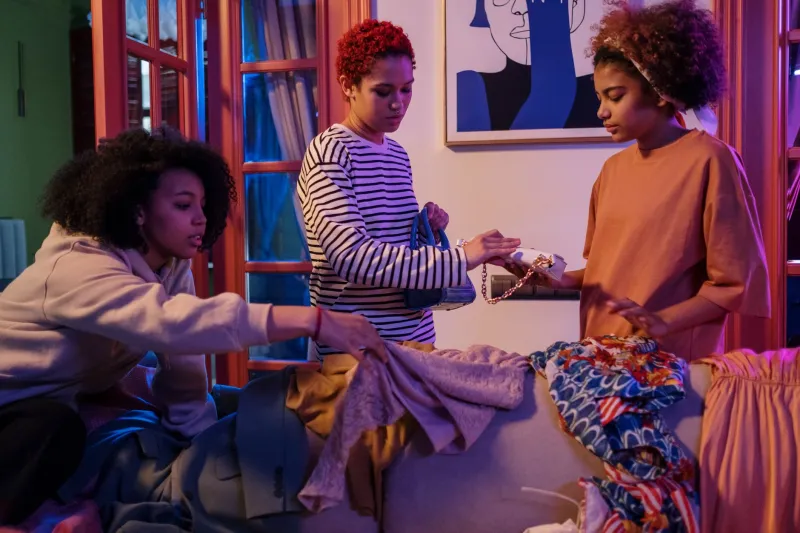
Somewhere between the third rack of jeans and the cider donuts, it hits you: this is a party. The clothing swap has quietly become the social event of the season — part thrift run, part potluck, part group therapy session for your overstuffed closet. And unlike your book club, nobody's mad that you didn't finish the reading.
From Church Basements to City Lofts
Swapping isn't new. American communities have been trading hand-me-downs for generations — think church basement exchanges, PTA donation drives, the neighborhood cousin who "had some things for you." What's changed is the vibe. In the last few years, swaps have gone semi-professional: ticketed events in Brooklyn warehouses, brunch-and-swap pop-ups in Austin, campus exchanges in the Midwest that draw hundreds of students.
The logic is simple and, frankly, overdue. Americans toss roughly 100 pounds of textiles per person into landfills every year, and a big chunk of that is clothing that was perfectly fine — just boring to us. A swap reroutes those pieces to a friend instead of a landfill, no shipping, no packaging, no middleman.
The Swap Party Playbook
Want to host one? Here's the framework that works, whether you've got five friends or fifty.
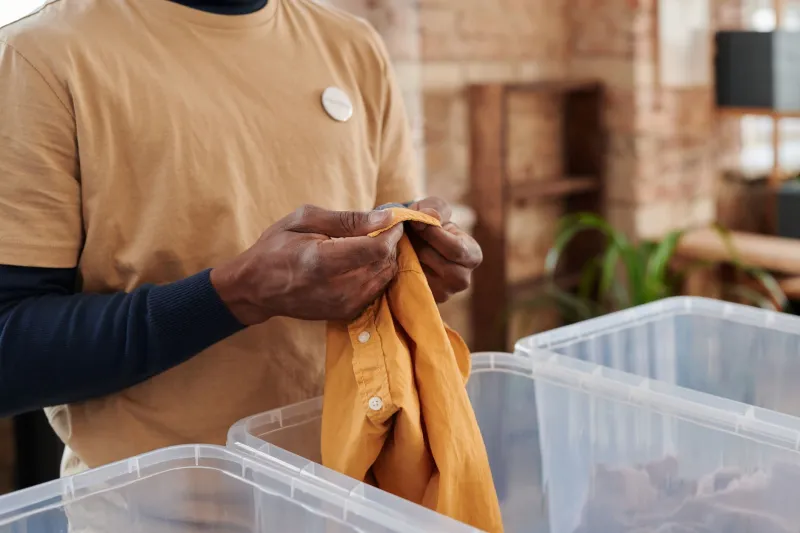
1. Set the rules before the door opens. Ask guests to bring a set number of items — three to five is the sweet spot — cleaned and in wearable condition. One damaged sock is not an offering.
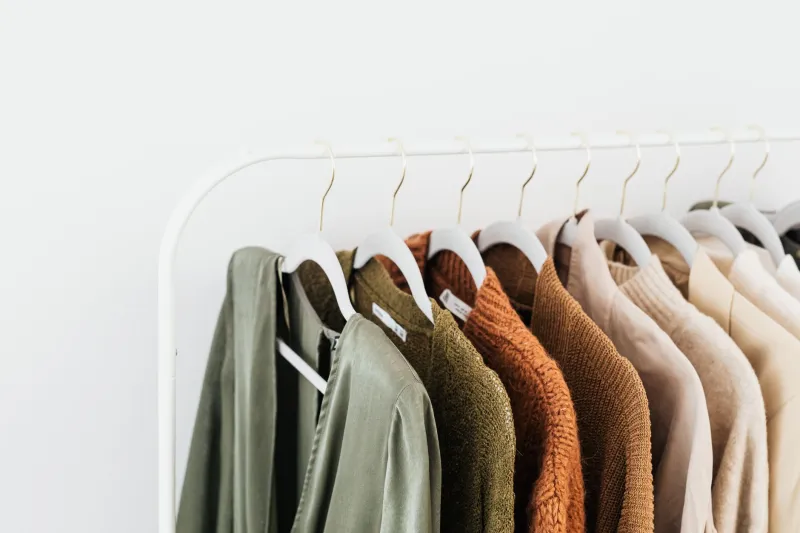
2. Sort by size or vibe, not owner. Rack everything anonymously. This keeps the mood generous instead of transactional. Pro move: organize by category (denim, layers, dresses) so browsing feels like a boutique, not a rummage.
3. Use a token system for fairness. Everyone gets one token per item contributed. Tokens buy pieces back. It sounds bureaucratic; in practice it stops the friend with the tote bag from cleaning out the room.
4. Stage a fitting corner. A bathroom, a bedroom, anywhere with a mirror. Trying things on is half the fun and prevents the post-swap "what was I thinking" pile.
5. Plan the afterlife. Whatever doesn't get claimed goes to a local shelter, a women's re-entry program, or a textile recycling drop-off — not back into anyone's trunk to become guilt laundry.
6. Make it a whole thing. Snacks, a playlist, a mirror with good lighting. The swap is the excuse; the hang is the point.
Curating What's Worth Trading
Here's the part nobody tells you: a swap is only as good as what people bring. The secret is quality over quantity, and that's where a plant-fiber mindset pays off. Hemp, organic cotton, linen, and other stem and bast fibers hold their shape, soften with age, and look intentional even secondhand — which makes them swap gold.
Before you toss something in the trade pile, run it through three questions:
- Would I be excited to see someone else wearing this? If it's a shrug, it's a donation, not a swap item.
- Is the fabric still itself? Pilling, stretched-out necklines, and mystery stains don't earn tokens.
- Is it natural fiber? Synthetics shed microplastics with every wash. A swap is a great moment to upgrade your own closet's fiber profile, too.
Swapping as a Lifestyle, Not a Stunt
The deeper appeal of the swap circuit isn't the free stuff — it's the relationship it builds with your clothes. When you trade a jacket to a friend and see it out at brunch two weeks later, that garment gains a story. Fast fashion trains us to treat clothes as disposable; swapping trains us to treat them as circulating, communal, alive.
It also takes real pressure off the buy-new reflex. Every swap season, you refresh your wardrobe with zero new production, zero shipping emissions, and zero dollars. Pair that with buying fewer, better pieces — durable plant-fiber staples built to last through many hands — and you've got a closet with a genuinely small footprint.
So send the group text. Clear the dining table. Put out the good snacks. Your next favorite shirt is already in somebody's closet, and all it costs to find out is a Saturday afternoon and a bag of things you were done with anyway.